The Stonehenge Cup.

I began writing this post in December 2023, before I went to Stonehenge for the Solstice. Seeing the image of the Stonehenge Cup online must have triggered something in me because a week later I had a strong impulse to go and visit Salisbury Plain. The excitement of finding the story behind this object opened a way forward. Often this is how we are led towards a place we need to work in. Something triggers an energy deep inside and we are propelled by a sense of exploration and adventure towards discovering a new piece of the puzzle.

This particular part of the puzzle is still playing out for me, and may well last the entire year, maybe longer. We’ll see. Here is the object that triggered my excitement and the post I had begun to write about it…


While doing some work online, I came across an image that made my heart flutter. It was an image that told me something about Stonehenge that I probably would not have accepted before, but because this information came from the burial of a woman in a round barrow close to Stonehenge, and within its sacred boundaries, it was impossible not to accept. Not only could I not not accept it, it opened my eyes to what I had been unable to see before, and which explained an aspect of the rituals in Stonehenge that made absolute sense to me.

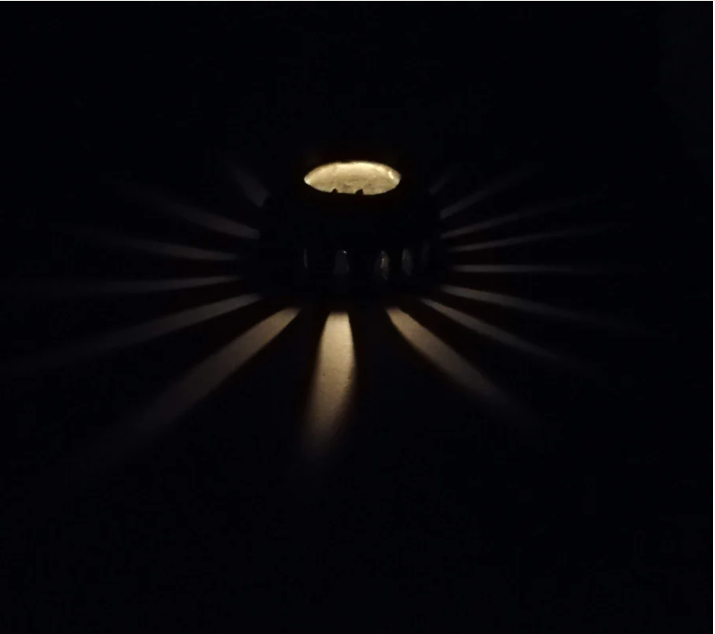
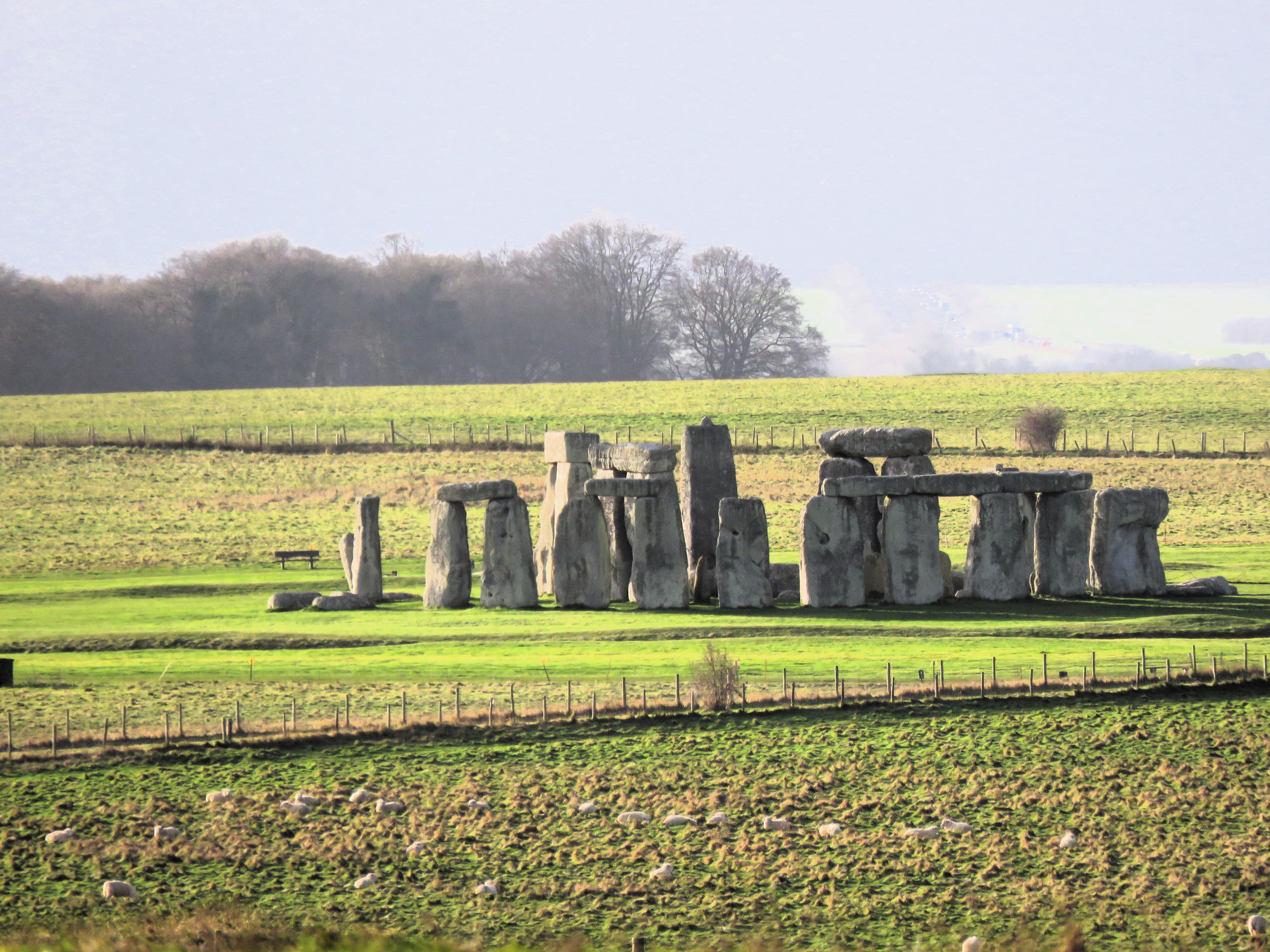
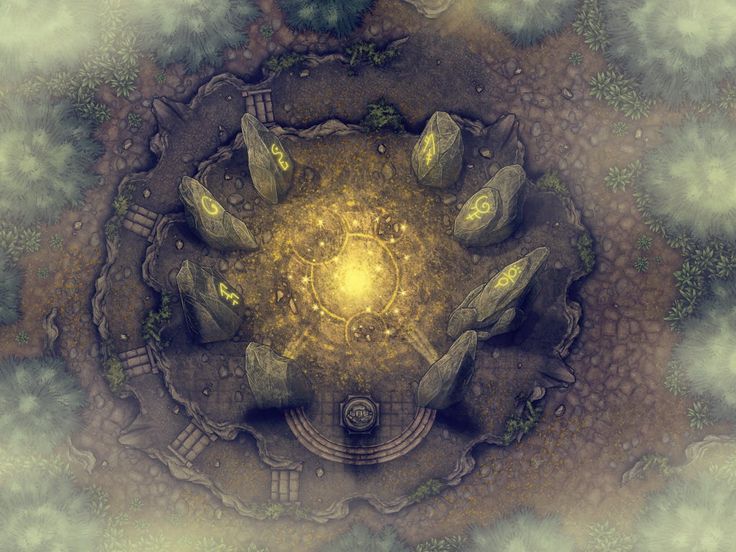
The cup is not a cup, as such, but a replica of the stone circle itself … complete with a thatched roof and a large opening in the centre. Stonehenge must have looked like this at some point in its long life and light, part of its ritual use. When a light is placed inside the model, it shines out through the gaps … when lit in the dark. Effectively, it is like the solar light shining out through the stones. It made me wonder whether there was any evidence of fires having been burned in the centre of the circle or purely energetic.
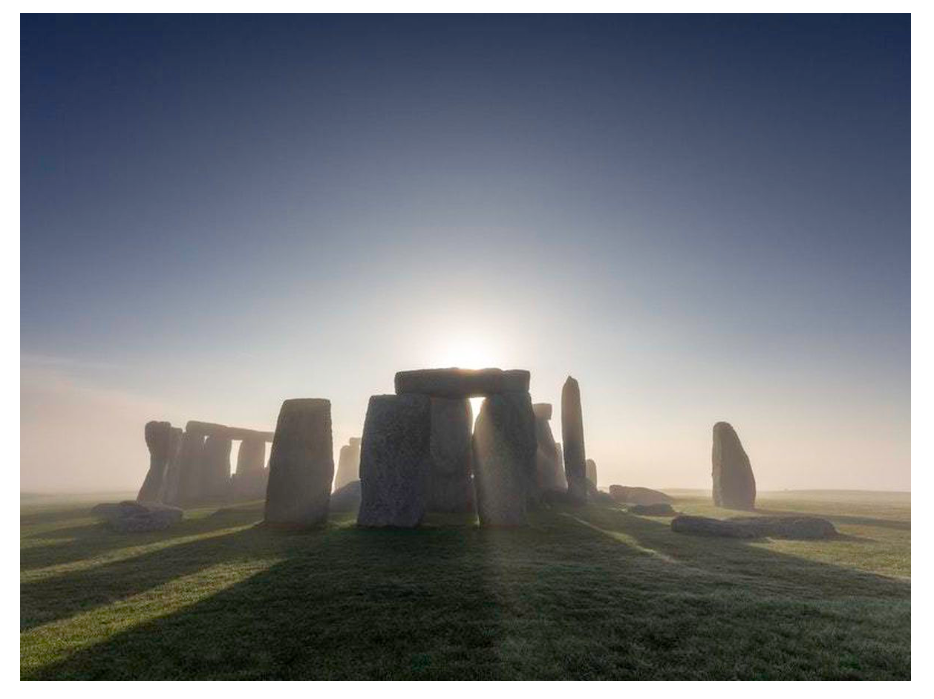
During sacred solar ceremonies, the sun’s light is energetically ‘brought down’ into the centre to fertilise the waiting womb beneath the earth. I know this is part of Stonehenge’s function because it is one of the things I recognised early on in my work when I did Reiki attunements in the circle. My later experiences at Broomrigg stone circle in Cumbria also taught me what the sacred ceremonies in the circles were really about and inspired me as to why and how Stone circles may have been created.

The opening at the roof of this thatched building is like the cervix, the entrance to the womb, opening to the fertilising energies of the sun during the Winter Solstice and on into February. Stonehenge, like many sites, is a Sheelagh na Gig site, a Winter/Crone site that opens to the masculine solar light when it becomes the maiden of Spring. Priests and priestesses, channels for this light, would bring the sun’s energy through their bodies and energy fields, allowing solar energy to pass into the waiting, receptive earth beneath their feet.
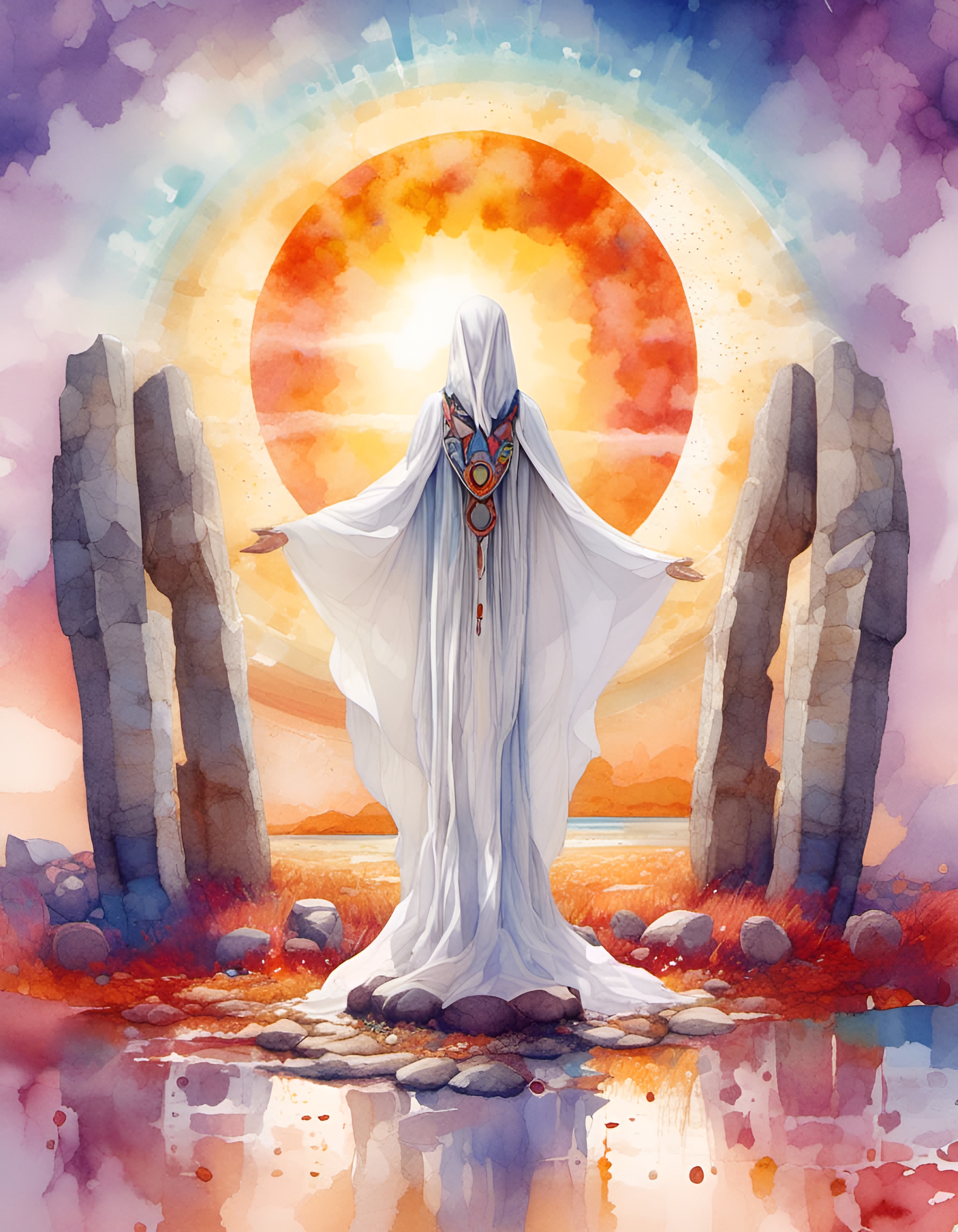
The light of larger sites, such as the Stonehenge Complex, travelled along energy lines connected to the henge. Other places, such as menhirs, smaller circles and especially rivers, then sent that energy further into the landscape benefitting all who lived upon it. Light is life. Our ancestors understood the earth to be the body of the Mother. She fed them; nurtured them; gave them shelter, and in death, they returned to her.

I can just imagine what it might have been like to participate in one of their rituals. Standing under the cover of the thatched roof, waiting expectantly for the sun to shine its rays of light, both physical and energetic, into the womb of the waiting mother. Everyone is watching. They can feel the energies radiate, touching them all, making their skin tingle, their bodies fill with light. A sense of elation as energy leads to lightheadedness. Awe as the sun’s rays move into the landscape – their landscape – fills them with joyful, and trusting, anticipation of the abundance that will follow. The unshakable knowledge that they are loved and supported by both Mother Earth and Father Sun, gives them assurance that all will be well. It is a joyful, uplifting and connecting celebration as all the tribes gather to participate in the yearly ritual of abundance and sharing.

We get some sense of this wonder and attunement at modern gatherings at the Solstice. But in the past, they knew what they were doing. They knew this ritual of bringing down the light would benefit everyone. What we see now is a good start, however. People are feeling the old energies again. Wanting to join together in the ancient ritual of tribal celebration. There is a powerful sense of connection in these gatherings as people from everywhere come on this night to be together, each understanding why the other is there. There is something magical about the atmosphere. We are All One, together, honouring and loving the ancient place, taking in the special energies of the time.
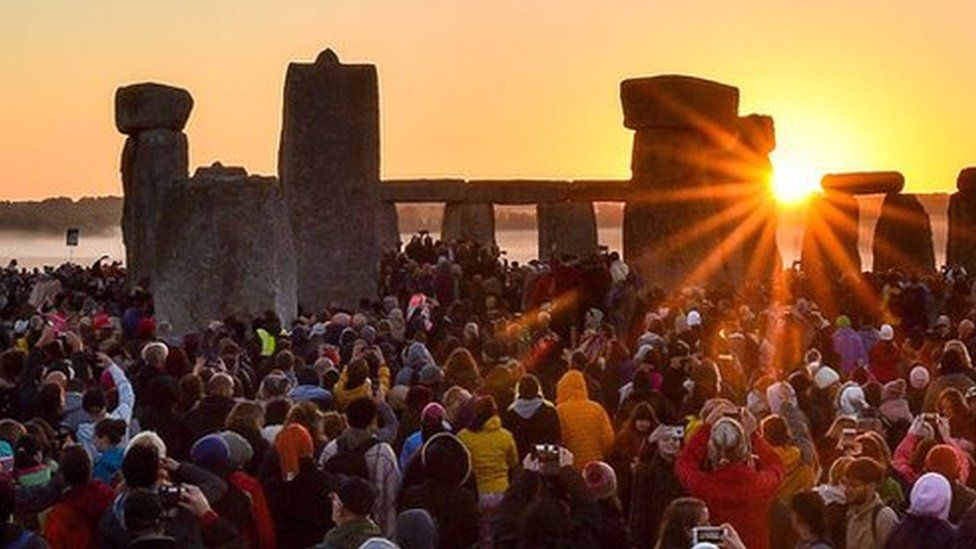
Winter Solstice https://www.bbc.co.uk/news/uk-england-wiltshire-58662905

The discovery of the miniature ceramic Stonehenge Cup made me wonder who the buried woman was. Burial mounds contain the bodies, or ashes, of significant people who both ruled, and carried out sacred service. Their energies remain at these sites and can be accessed with intention and a willingness to serve the whole. She may have been a priestess, a ‘Mother’ connected to the sacred landscape. In life, she may have had a replica Stonehenge to burn incense in, possibly to maintain her intention for the henge and to hold the sacred site within her energy-field. It is much the same as having an altar space in your home, lighting candles and incense and connecting to the energy of a place, or people. It might have been a loved object , connecting her to the place she loved, the place of the Mother. And, of course, it may not be the only one, simply the only one they have found, so far.

On the other hand, the incense cup could have been buried with her to allow her to take the light of Stonehenge into the earth, back to the Mother, a little part of the light she might have worked with most of her life. It reminds me of my aunt’s funeral in southern Ireland. She was a very devoted Catholic. After the traditional wake, which was wonderful to attend because her spirit was joyful that she was ‘still alive’, we went to the funeral mass. Afterwards, her coffin was brought to the cemetery in Kilmacow, beside St Senan’s Church, where it was put in the ground, on top of my great-grandmother Johanna’s coffin; her favourite grandmother. (My mother was one of the models used for an angel mural in the Church of St Senan, when she was a child. She is the third angel from the right, lower three, playing a trumpet).

When my aunt’s coffin was in the ground, I saw a vertical shaft of pink light enter her heart area, through the wood of the coffin. It remained anchored there, a pillar of pink energy, as though her physical body was its anchor. The pink was the ray of Love and would be henceforth accessible to all who visited the graveyard. A lovely gift to leave after physical life. I have seen the same thing with ancient burial sites too.

Our ancestors held different beliefs, but energy is energy, and they knew it far better than we do. We are only learning what they knew, thanks to their physical remains and ability to communicate with us, thousands of years later. Their bodies, within the burial mounds, can still share energy and information, if we remain open. I have learned to understand the ancient rituals through connecting with the spirit of these people who are happy to share their history and knowledge. They want us to know how to venerate the earth and its many dimensions. They want us to remember. And we can, by going to their places, tuning in, and trusting what they give us.

All we have to do is ask.

https://www.english-heritage.org.uk/visit/inspire-me/blog/blog-posts/featured-object-grape-cup/

Winter Solstice at Stonehenge. 2023

Although we are now in Brigit’s time, I am completing the Winter Solstice Journey we did back in December 2023. Sometimes it takes time to integrate energies and to be ready for the new. This seems to be one of those times. It also seems to fit the energy of the Solstice, when after that day, when the seeds in the earth are energised by the solar light, they then need time to germinate in the darkness before poking through into the light…

How do they do that?

The Solstice journey began before we even got to Stonehenge. Having decided to drive via Stockbridge, instead of the A303, we were being energetically prepared while we travelled there from Winchester. Past Woolbury Hillfort, just outside Stockbridge, I was aware that we were driving through ancestral/Tribal land, the energy being awake and accessible which it isn’t always.

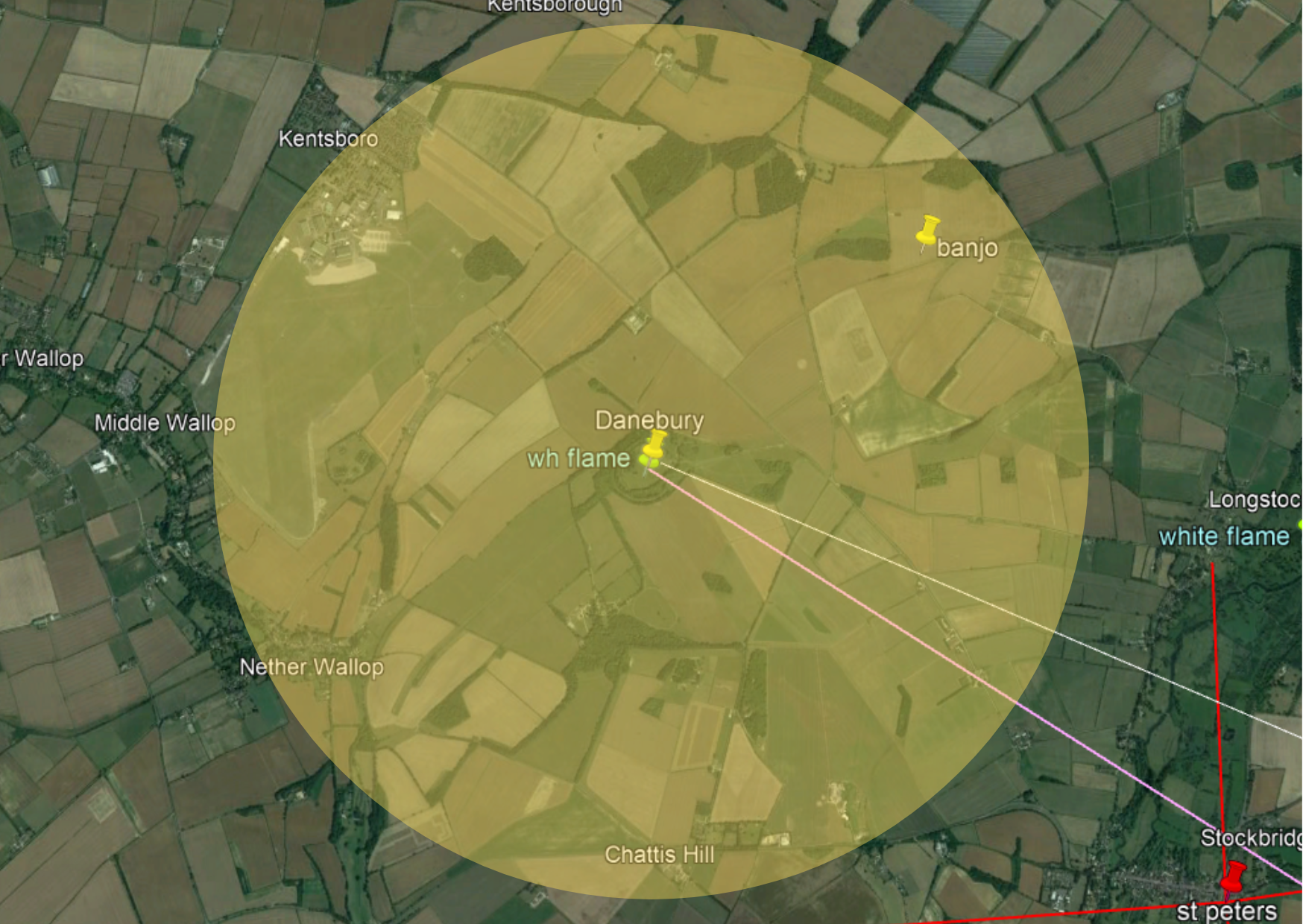
On the other side of Stockbridge, we turned off the main road to go past Danebury, but this time, the gold disc we had noticed last time we were here, just before the Solstice, was now larger, reaching almost to where we had turned into the road. Because Danebury is an active fertility site, a place like Stonehenge, where the sun is brought into the womb of the earth to fertilise the land and all upon it, its golden solar energy radiates out all around it. The disc indicates the extent of the radiance around the Hillfort, the land that is influenced by the solar energy. Today it was wider than it had been last time when we brought down the gold ray in the centre of the Hillfort and met the local elemental guardian of the place.

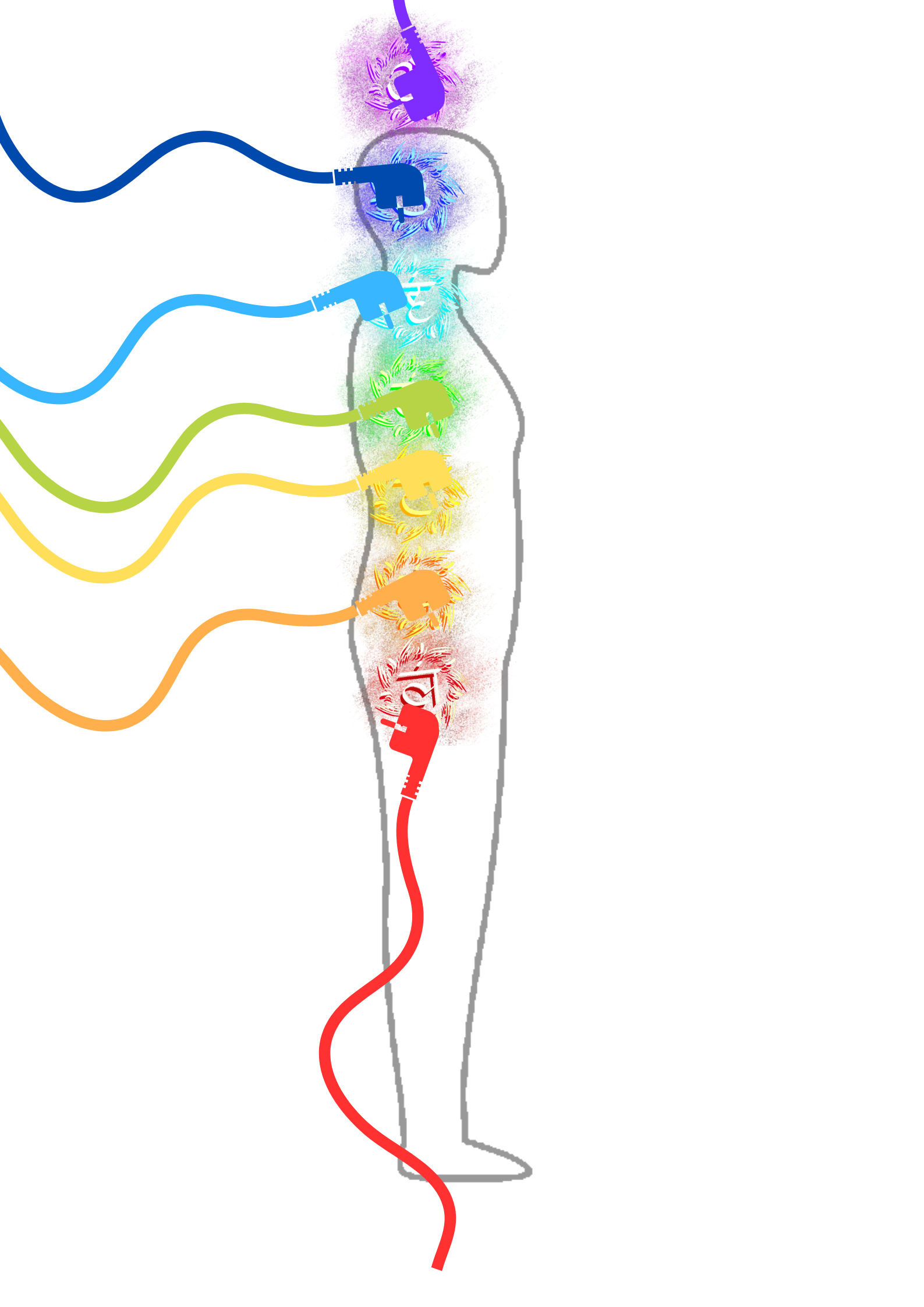
As we passed through this gold energetic disc I felt my consciousness raised to a higher level of awareness. I was reminded of a meditation a couple of weeks ago, when my Turkish guide came in and gave me a large gold key, then showed me how he would lift me to a higher level, like jumping onto a platform. At the time I did not know where it referred to but it soon became clear, literally. A Bronze Age king appeared in my vision and told me he was waiting for us at the King’s Barrows and then my chakras opened and activated. I received the understanding that I had to plug myself into the Stonehenge energies by connecting with each barrow in turn until seven chakras were plugged into the seven barrows. It has been many years since we first activated these barrows, nearly twenty years, in fact, but we knew them to be an integral part of the Salisbury plain circuitry. Perhaps more than I previously thought…

We parked in Larkhill because English Heritage had blocked all the usual parking places closer to Woodhenge in preparation for the people due to visit for the following day’s sunrise. After a long, interesting walk, where we met a couple of deer and some lovely sheep, we reached the end of the cursus. The energy was stronger than I have ever felt there and I could feel the back of my heart heating up making me feel nauseous. There was originally a Longbarrow at this at the cursus which has been ploughed out, but the energy obviously still remains.

It has been a long time since a site has made me feel physically sick, although, as soon as we moved off the site of the Longbarrow the nausea left.

We made our way to the King’s Barrows, but there are two groups of King’s Barrows, the Old, and the New. Which ones were we supposed to go to? The only way to know was to trust our intuition and check each one energetically. It was rainy and blustery on the Plain and areas were cordoned off, but we got to one which was not. Four large beech trees grew on it and as I walked towards it, the wind suddenly blew up strongly. Too strongly. I could see a branch had already broken off and now lay on the middle of the burial mound. I wondered if I should risk it, and continued towards it. The wind blew up even stronger so I decided not to. As I made my decision and walked away, the wind died down. Perhaps the trees were warning me…

The next barrow we came to was ‘a’wake’, so the first thing I did was walk around it once, anti-clockwise, to open its energies. But as I finished I was instructed to continue walking in a spiral until I reached the top of the mound. I have never had to do that before. I stood on the top waiting for the next part but that became Chris’s job. He walked onto the mound and stood facing the stone circle. He was then ‘told’ to raise his arms. He saw himself holding the golden orb of the sun in his hands, like a beach ball, which he slowly brought down. When he had finished he said, with some amazement, that he had anchored it in the stone circle. The force had been so powerful, he said, that he was pulled physically towards the circle and thought, at one point, that he was going to lose his balance.

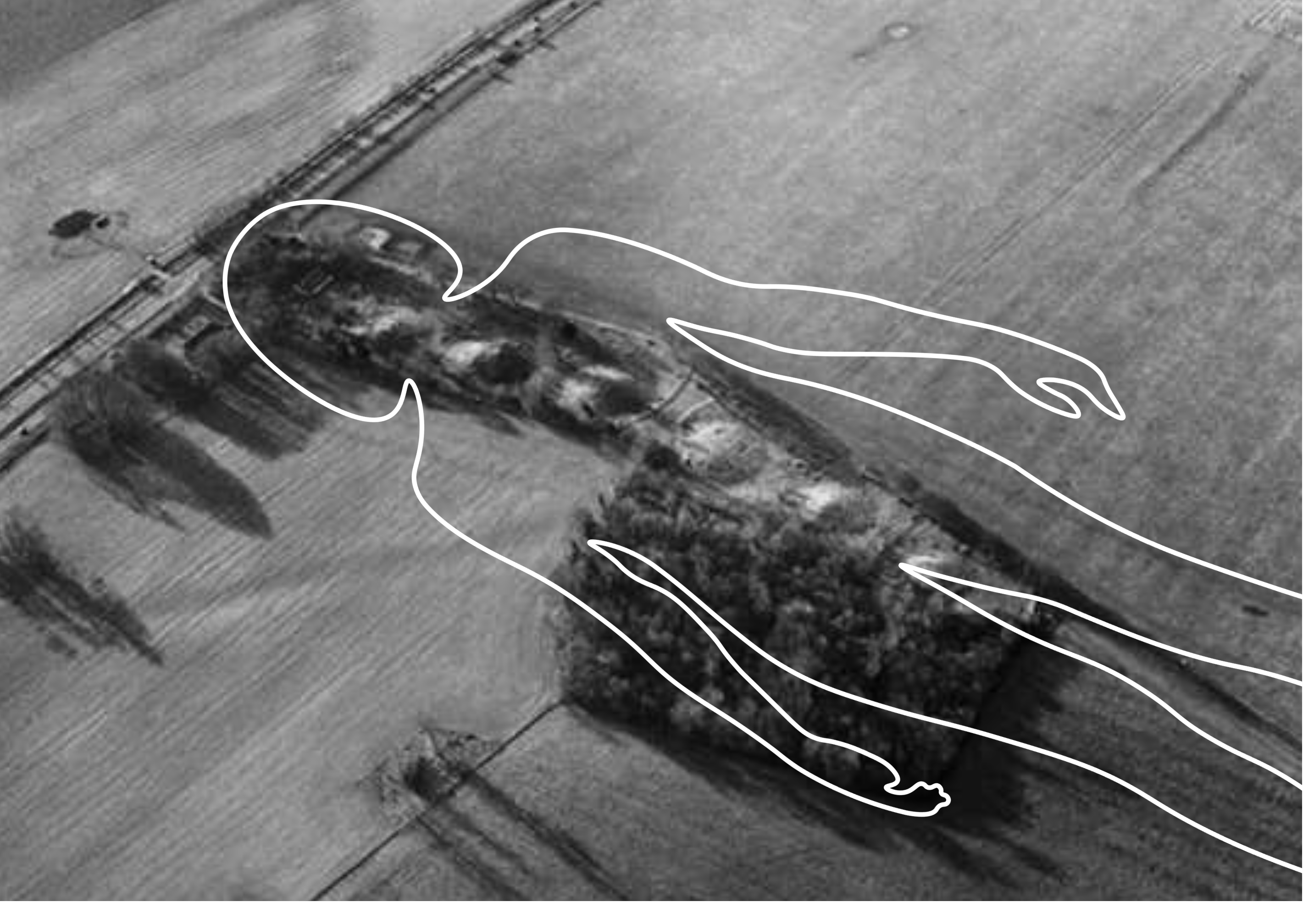
We got to the New King’s barrows and, beginning with the first in the row, climbed to the top and tuned in. Immediately, I felt the red energy of my base chakra extend to connect deeply with the barrow. I waited until the right time to proceed to the next mound.

I did the same for each of the burial mounds, connecting each corresponding chakra, from base to crown. But at the heart level barrow, something different happened. Often, before we visit a site to do energy-work, we are instructed to bring a bottle of water. When this occurs, we know an essence will be made. Standing on the Heart Barrow, I opened the bottle, held it in my hands and waited. I immediately saw the energies of all the burial mounds and the people buried/cremated within them pouring into the bottle. This was all the knowledge of our ancestors from across time and space.

A white-robed priest appeared in front of me and placed a wand in the bottle. He used it to stir its energy into the essence. This magical object was made of wood and had crystals along it, like chakras, and he gave me the information that the essence would also energise the chakra system, aligning it with the energies of Stonehenge and the people who built it. The experience of using the essence is like having a line of light plugged into the back of each chakra, connecting you to each of the barrows.

As it turned out, it does a lot more.

We continued to the other barrows, connecting and aligning until we had completed them all. The last one, the crown, was a little tricky because it was part of the garden belonging to some local authority but we discovered we could access it from the road. When we did, it felt like it was like a cap on a bottle, completing the seven-barrow circuit.

The essence, as well as connecting the seven chakras to the seven barrows also has the effect of pulling in the energy-field, so that personal energy is contained and focused. This was a surprising effect, but I imagine that if we are scattered in our energy, then we are unable to manifest well, or focus on what is important. Somehow, the essence creates an energetic boundary in our field. I have been using it every day since the solstice and I am managing to write the second draft of the book every day, without fail, as if I now have a boundary I never really had before. The Stonehenge plug-ins are specifically connected to the back of the chakras and to the crown and base chakras. When fully plugged in, it feels like I am lying down on the barrows, like they are a bed of energy beneath me.

I used the essence the following day, the 22nd December and this is what I recorded:

Standing at my landing window with the sun coming up, I am Stonehenge. I feel myself as the stones and the sun is filling me up. I draw the solar light into my body of stones, the womb of the earth, and absorb the golden radiance. When I feel full, I allow it to simply be. The stones hold the light there, even when the sun has gone down, and rises and falls every day. It holds the energy of the people, like a light in the henge, suspended and available.

Next, I saw Cerrunos in the circle, dancing around the centre. Then I see the Was sceptre in the circle, and it anchors the sun to the water layer beneath the stones as though the sun is fertilising the waters around the circle too. The horned man is very much the stag energy of winter and fertility, dancing the male fertility into being.  

A male priest then appears in the circle, wearing a holly/yew headdress. He is the energy of vegetation, ensuring that the tribes are fed with nature’s abundance too. Both he and the stag king are bringing in their intent for the following year, ensuring these two energies of abundance are manifested for the year. This is the time to manifest the years coming needs.

Lastly, I see a frilled dragon, multicoloured, but it is held within the circle, and only ‘allowed out’ at certain times of the year, Such as like Mayday, etc. This reminds me of the Quetzal serpent at Chitzen Itza which also descends to the land during the Winter solstice. Then I am told that the ceremonies happened over three days, but the festival feasting lasted a week, so that people could bond and connect with each other, tying the tribes together as one People. Sounds like a powerful and very enjoyable festival and the modern gatherings at stonehenge certainly reflect the desire to reconnect with the old ways.

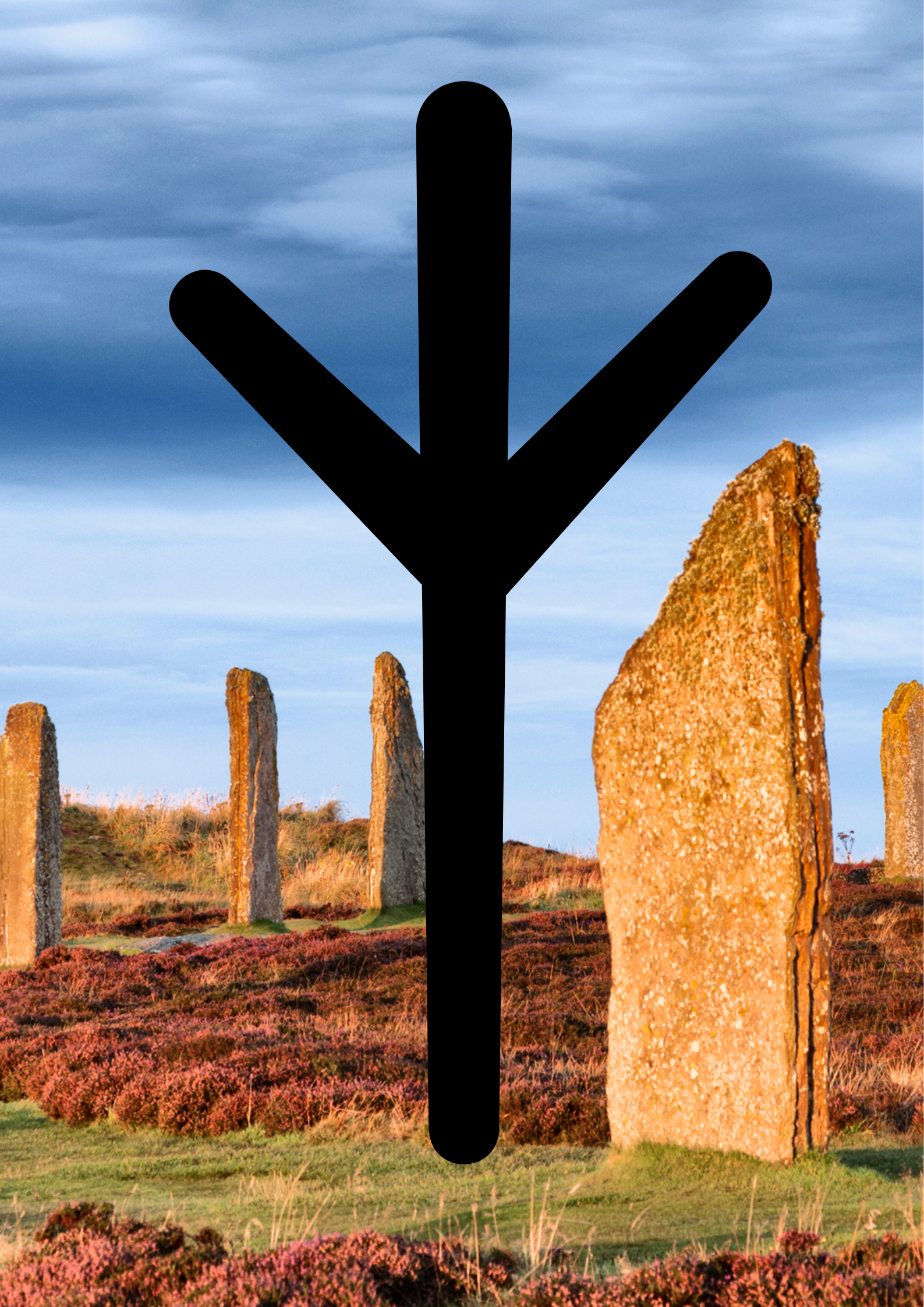
The algiz rune appeared, connecting Iceland, Norway, and Orkney to the south of England. At the top of the line, which we have already anchored, there is a white flame and the Orkney dragon, orange and yellow, comes spiralling down the line to the south, but it’s tail is still in Orkney.  This, I imagine,represents both the present, and the past, as People from Orkney built stonehenge and we are now rebuilding those connections energetically. But importantly, the dragon, connects both South and North, the North being the origin of that particular vibration of dragon energy.

Two months later, I am still holding my energy open and using the essence every day, and every day I am plugged into the Stonehenge people and their earth wisdom, earth wisdom which is far older than Stonehenge itself. I continue to hold myself open to its energy and on MayDay will return to see what happens then, as instructed.

In the beginning…

I have worked, energetically, with stone circles for twenty years, but it was on a trip to the remains of a stone circle in Cumbria, deep in a forest plantation, that I was granted a wonderful insight into one way which our Bronze age ancestors used the circles.

From that experience, I understood that some circles were associated with maintaining fertility. They were used ritually at certain points of the year, (solstices, equinoxes, etc) and at that time priests, priestesses, and the entire community channelled the energy of the solar light into the circle to fertilise the wheat they had harvested the previous season, fertilising the waiting earth beneath; the masculine creative force of the sun, fertilising the female earth.

At the end of the Mesolithic period, ancient communities moved from hunting and gathering to growing and tending. Their focus was on the growing of food, therefore taking care of both the physical landscape and the energetic landscape meant they had a better chance of survival. Their awareness of the Oneness of life was a part of them. They did not simply live on the planet, separate to it as we do, but they understood they were an integral part of it.

But how did the Early Neolithic farmers begin to use stone to contain and hold the energies they built in the landscape? How did they learn that particular form of energy-work in the first place? I have found no evidence of fertility work of this nature in the earlier Mesolithic hunter-gatherers. It seemed to arrive with people who grew their food on a large scale and who needed specific energetic help to accomplish that.

Before agriculture, hunters worked shamanically to connect to the spirit of the animal they were about to hunt, communicating with it before the hunt and asking for, and acknowledging, the creature’s sacrifice to feed them. But, with the advent of agriculture, some of these practices changed. To the ancestor, everything was energy. Every living thing, including apparently inert objects, such as stone, soil, etc, had a spirit and therefore deserved respect and acknowledgement. (You only have to look at the current indigenous people of the world to see how our ancestors might have lived).

It has always been a mystery to me how practices changed, from hunting and gathering, to include the growing of crops. Once you begin to grow food, the process and focus changes. But when did they begin to associate stone circles with corn-energising rituals?

It was only while reading Home by Francis Pryor, that I found a possible answer. Francis had been working on a Neolithic causewayed enclosure site in Etton along with his wife. The enclosure was part of a complex of enclosures, like Salisbury Plain, and comprised a single circuit of interrupted ditches. They discovered, at the end of each ditch segment, objects which had been carefully placed there. The deposits in the segmented ditches were laid in layers, each protected by a birchbark mat, which would have been naturally waterproof. Intact pottery vessels, turned upside-down, skulls, and broken quern stones, for the grinding of grain into flour, were also placed in layers in the ditches.

Upright Saddle Quern Deposit.

According to Prior, the objects placed within the ditches were crafts traditionally carried out by women: pottery, weaving, bread-making, etc. That makes me wonder why they deposited these particular objects in the ditches? Was the site traditionally viewed as female? Just as with the Cumbrian circle? The female energy was believed to reside in the earth, so it makes sense that if they wanted to ensure the positive flow of energy into their own home and tribe they would make offerings of gratitude for the resources already received and the petition for that flow to continue for the coming year.

Quern stones at each side of causeway.

Within the henge, there were also multiple pits filled with ritual deposits, but the most striking thing for me was that in the ditches on either side of the causeways, quern stones had been placed on their sides, so that they stood upright. Stones were placed on either side of the causeway, of which there were possibly four, oriented North, South, East and West, although the South entrance was subsequently destroyed. The deposits seem to have been placed, on separate occasions, but in the same place each time, in layers, perhaps during large gatherings, and by kin groups. Each time they gathered, they carried out ceremonies and a new stone was placed there; again on its side so that it stood upright, but above the buried layer of the previous celebrations.

Grain was an important part of their survival and the excavators of Etton discovered evidence that “cereal crops were both grown and processed within the immediate vicinity, perhaps within the enclosure.”

Datchet causeway. Example of how ditches were spaced.

When I read this for the first time, it immediately reminded me of my visit to Cumbria. and the importance of the stone circle in charging the wheat for the following growing season. The deposition of saddle querns, upright in the ditches, signalled for me the mental leap made by the Neolithic communities from ritual deposits of stones for wheat-grinding to standing stones. Wheat was such an important part of their survival that it stood to reason that the objects associated with grain processing should be held in such sacred esteem. I imagine, through the deposition of these stones, each family was both manifesting their food for the coming year but also giving something back to the Mother, in gratitude for feeding them; for taking care of them. And, as the quote above suggests, if the site was used for the processing of wheat, then corn rituals might well have been carried out in the centre too, creating what later became, the stone circles.

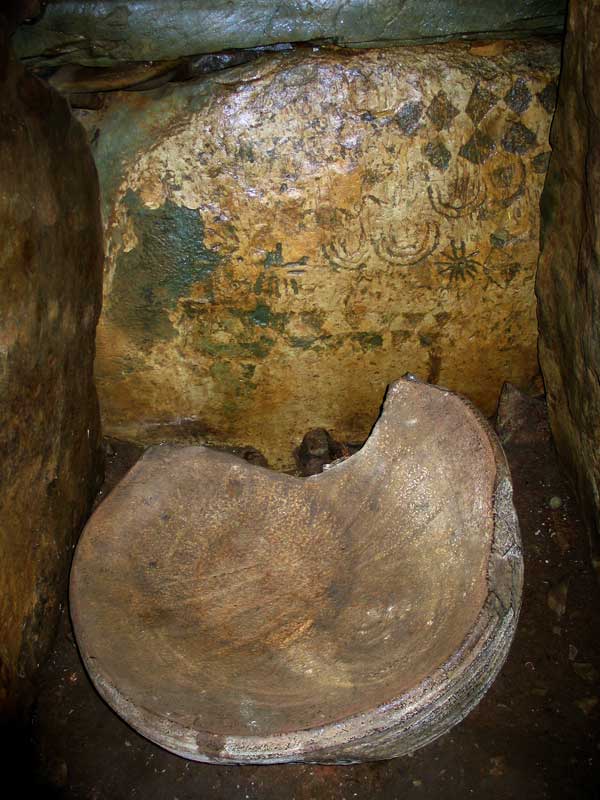
Knowth Basin.

In Knowth, there is the huge concave stone in one of the recesses within the burial mound. Burial mounds represent the womb of the Mother. Knowth is part of the Newgrange complex, where the sun enters the chamber at Midwinter, to light up the darkness within. Again the solar rays fertilising the Mother. The large concave stone is like a huge ceremonial saddle quern and may well symbolise the fertilising of the grain. A gift to the mother and holder of the ashes of people who may have been the ones who carried out the sacred ceremonies.

The carving inside the stone is interesting too: To me, it looks like an energetic representation of the solar rays fertilising the seed within the womb of Mother Earth.

Knowth Inner carving.

Of course, it may have had multiple meanings. As modern humans, we see symbols as representing things we only have understanding of ‘in the present’. We see things one-dimensionally. Our ancestors may have had access to knowledge we can only imagine, or re-learn, as we work in the energetic landscapes of the Mother.

The positioning of the saddle querns in the site in Etton also made me think of Mecca, where before Islam, tribal communities gathered there yearly. Each tribe had its own stone statue representing the energy of their tribe, their over-ruling deity, part of a circle of stones around the sacred site. Only with the coming of Islam was this practice destroyed and now only the ruling family have their ‘stone’, contained in the Kaaba. (Mecca had been a sacred site for many centuries, sacred to a triple goddess. One of these goddesses, Al-Uzzah, was a grain goddess).

Old Mecca.

As I was writing this, I found this very interesting article: https://www.hunebednieuwscafe.nl/2017/10/british-stone-circles-were-used-for-parties/ The article states: The research into the Ring of Brodgar also showed that each stone comes from a different part of the Orkney Islands. Apparently, each of the diverse groups of people brought its own stone and placed it in the monument. Remarkably, Professor Bayliss’ research also found evidence that people travelled to the Orkneys from as far away as Belgium. This fits very well with the idea of family groups/tribes having their quernstone in the circle.

Many ancient Mother/Goddess sites were symbolic womb; places where, at certain times of the year, the energies of fertility were strongest. The midwinter ritual of the sun piercing the darkest recesses of burial mounds, and temples, were fertility processes: the male sun sending his fertilising principle into the dark womb of the Mother to activate the egg waiting there. These were no empty rituals, however. Our ancestors understood the active energies that revitalised the energy lines in the earth, that brought new vitality after the dark of winter, warming the earth; bringing new growth. Where energy flows, so too does life.

There are naturally powerful places on earth where the energy is palpable, such as volcanos, places where crystals have formed, and deep underground caves. Places too where elemental energies are strong: rivers, lakes, mountains, and forests. But energy is also built through ritual and intention. I have never been a ‘ritual’ worker. I never really understood the purpose of ritual except as a focus for creating and for intention. But, I recently had an experience in a Cathedral Church in Arundel where I saw the result of ritual actions on the energy of a place over time.

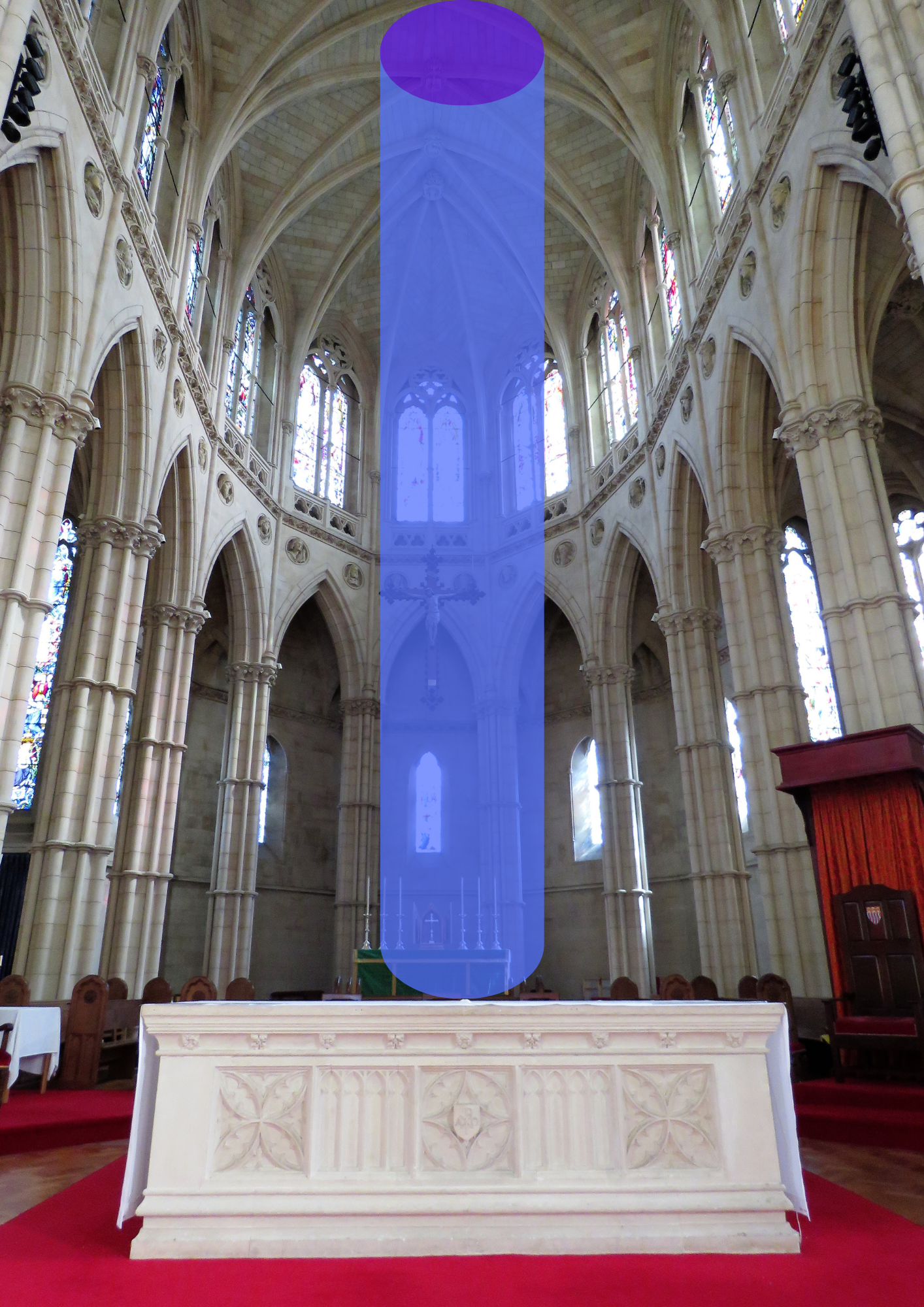
We were working on making a triangular connection between the sea and the river Arun. I wasn’t sure where this connection was supposed to be anchored but we went into the cathedral, just in case. I had been given water energy by a wonderfully loving sea elemental on Littlehampton beach and although I knew I had to put it somewhere; I didn’t know where, until it happened. As I approached the altar, which was built on top of an ancient spring, I saw the blue column of light behind it, which had been built up over the years by the priests doing the bread and wine ritual. This was a surprise to me. The energy had built up over so many years and had created a healing channel in the cathedral. This is also where the water energy gift was anchored, which was also a huge surprise. (One of the important things to remember when doing energywork is that religious belief plays no part. It is the positive intentions to help humanity which are important. Although saying that, the ancientness of the catholic ritual contains an energy that I have not found in other, more modern religious rituals).

But this ritual also involves the energising of bread, just as the ancient ritual in the stone circle Cumbria showed. (I think the energising of the wine might have been Roman in origin and added later as patriarchal religions became more prominent. The wine is energised from ‘above’ whereas the bread should be energised by the mother-energy ‘below’).

So that brings us back to the quernstones. We know that causewayed enclosures were the forerunners of stone circles so if the quernstones were placed as sacred objects and connected to a particular kin-group, (as in old Mecca, and Orkney), then it is not such a stretch to see that the later ‘standing stones’/quernstones in a circle came to represent each kin-family’s offerings to the Mother Goddess. The rituals building up over time gave these places their sanctity but there may well have been an extant ‘energy’ that told them where to build these sites in the first place.

The alignments of the main causeways appear to be directional, and the east/west entrances align with the sun. (We have often found main energylines crossing over in these sites, although not necessarily NSEW aligned). The astrological alignment aspects of stone circles might have come into play as a way for them to be sure about the timing of important events. I’m sure the simple beginning of the ritual circles became more complicated over time.

A very good book which explains how Glastonbury abbey was created is: The Gate of Remembrance by Frederick Bligh Bond, F.R.I.B.A. It is a book about the discovery of The Edgar Chapel through automatic writing and gives very interesting energetic information on how a sacred site is created.

Here are some more links for information.

https://www.historyscotland.com/exploring-scotland/stone-circles-and-henges-c-3500-1000-bc-history-map/

https://www.lakedistrict.gov.uk/visiting/things-to-do/historical-places-to-visit/stone-circles